This is done by submitting a request to the finance department to top up the fund. For example, an employee might need to buy printer ink or pay for postage. With petty cash, they can do so immediately, without waiting for approval or making a formal purchase request. This keeps things simple and ensures that small costs don’t slow down operations.

Frequent Cash and Receipts Reconciliation
- When accounting for petty cash, companies must record two types of transactions.
- Each time you pay an expense out of petty cash, you fill out a petty cash voucher.
- Petty cash funds are typically used when items cost so little that paying for them by cardor check doesn’t make sense.
- Petty cash management refers to handling small amounts of cash businesses use for minor expenses, such as office supplies, travel reimbursements, or other incidental costs.
- It is used for transactions that are too small to warrant writing a check or using a credit card.
- At the end of the period or year, the petty cash balance will be present on the company’s balance sheet with cash on hand and cash in the bank.
Petty cash can also work for frequent but mundane expenses, like milk for the office fridge, stamps, or cleaning supplies. You can buy one of these from a stationery shop, or use a petty cash template downloaded online. It demonstrates an organised approach to managing even the smallest transactions. During reconciliation, the missing or erroneous funds need to be investigated promptly. Petty cash is a bookkeeping small amount relative to a company’s total finances, but it is still considered important. Petty cash is usually available to anyone in the organisation for an approved purpose, although access is often restricted to a custodian.
- This process not only ensures they will continue to be accurate in their keeping of records, but it also deters the misuse of the system.
- Imagine the office boy needs to buy supplies for the office, arrange lunch for a meeting, or cover any other minor repairs.
- This amount is usually spent over a period of a month or two, and is replenished when necessary.
- It involves keeping track of all deposits and withdrawals from the petty cash fund and ensuring that each transaction is accounted for.
- Finally, initiating policies and procedures is pivotal for effectively managing the petty cash fund.
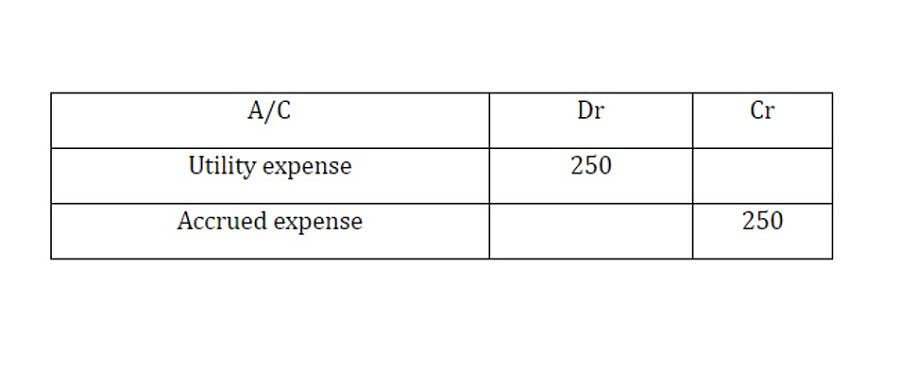
Example journal entry for recording a purchase
Imagine a scenario where you’re going to visit a client, and you find out it’s their birthday. If your business has a petty cash fund, you can grab a $10 bill from the cash drawer, stop at a convenience store, and purchase a birthday card. As people spend from the fund, they submit receipts for their purchases. When the fund gets low, you replenish it back to the original amount. The beauty of this system is that at any time, the cash remaining plus the receipts should equal your starting amount.
How to Set Up and Maintain a Petty Cash Account:
However, bigger companies will appoint a middle-level management employee to be the custodian. In this example, the total amount of cash and receipts in Petty Cash is $101. Usually this means an error was made in making change from the Petty Cash account or if incorrect change was made when supplies or postage was purchased. This includes logging the expense, collecting a gym bookkeeping receipt, and noting who used the funds and why.
What is a petty cash fund? Purpose, uses, and accounting
- Instead, petty cash is meant to cover infrequent expenses like taxi rides, coffee, office supplies, client gifts, or employee lunches.
- Usually, companies transfer funds from a bank account to a petty cash account.
- Petty cash is a small amount of discretionary funds that your business uses to make change for customers or when it doesn’t make sense to write a check.
- It’s important to appoint someone who’s trustworthy and organised, as they will supervise each and every transaction related to petty cash.
- Having this policy in writing helps prevent misuse, promotes consistency, and gives employees clear expectations when requesting or spending petty cash.
- These are usually small expenses that don’t require a formal purchase order or check.
These funds are used for items such as office supplies, postage, or reimbursements for miscellaneous employee expenses. HMRC requires that a business’ electronic account should contain expenses for petty cash to avoid penalties, with fines ranging between £5-15 for each day of non-compliance. Businesses looking to transition from manual petty cash management to electronic systems can benefit from digital platforms that facilitate smoother cash management. For example, Tende Pay is a digital solution that enables decision-makers to have a 360-degree view of their operations, reducing traditional challenges faced by Kenyan businesses. One example is MYNDSpendX, a user-friendly digital solution that addresses the challenges of traditional petty cash management.
Do you need to keep receipts for petty cash?

Each expense or transaction must be recorded on a petty cash voucher or request form. The voucher must include details of the purchase, the amount spent, the date, and the name of the person who received the money. At the end of each period, all vouchers are reconciled and replenished by a manager or authorized personnel. Petty cash is a small amount of money that businesses keep on hand to pay for minor expenses that may come up during daily operations. It is not intended for major purchases but is used for things like office supplies, small repairs, or even snacks for staff during meetings.
Accurate Record-Keeping
This person is also responsible for determining your petty cash policy, and they’re in charge of collecting receipts and verifying the cash log is up to date as well. To ensure proper management of petty cash funds, businesses should establish a clear policy and appoint a custodian. Regular reconciliations and thorough documentation of each transaction will help maintain accountability and prevent misuse. It is a small amount of cash kept on hand to cover small expenses. This system helps businesses handle minor costs quickly without needing formal purchase orders or checks.

It’s important because it helps businesses manage their cash flow and avoid misuse. Finally, initiating policies and procedures is pivotal for effectively managing the petty cash fund. These guidelines highlight how and when you can access cash, the different types of expenses that fall under these policies and procedures, and the process of recording transactions. Detailed and transparent policies can help you prevent misuse and ensure that all expenditures are accountable and documented.

The what is the usual amount of money kept in a petty cash account? custodial duties generally include enforcing petty cash rules and regulations, requesting replenishments, and dispensing funds. The journal entry for petty cash received from customers is as follows. When unclear approvals for petty cash from higher authorities exist, it can lead to delays or unauthorised spending. In all, inconsistent approvals can increase the risk of misuse and hinder financial control. Regularly reconciling petty cash is essential for preventing fraud and maintaining accuracy within your organisation’s expense system.